
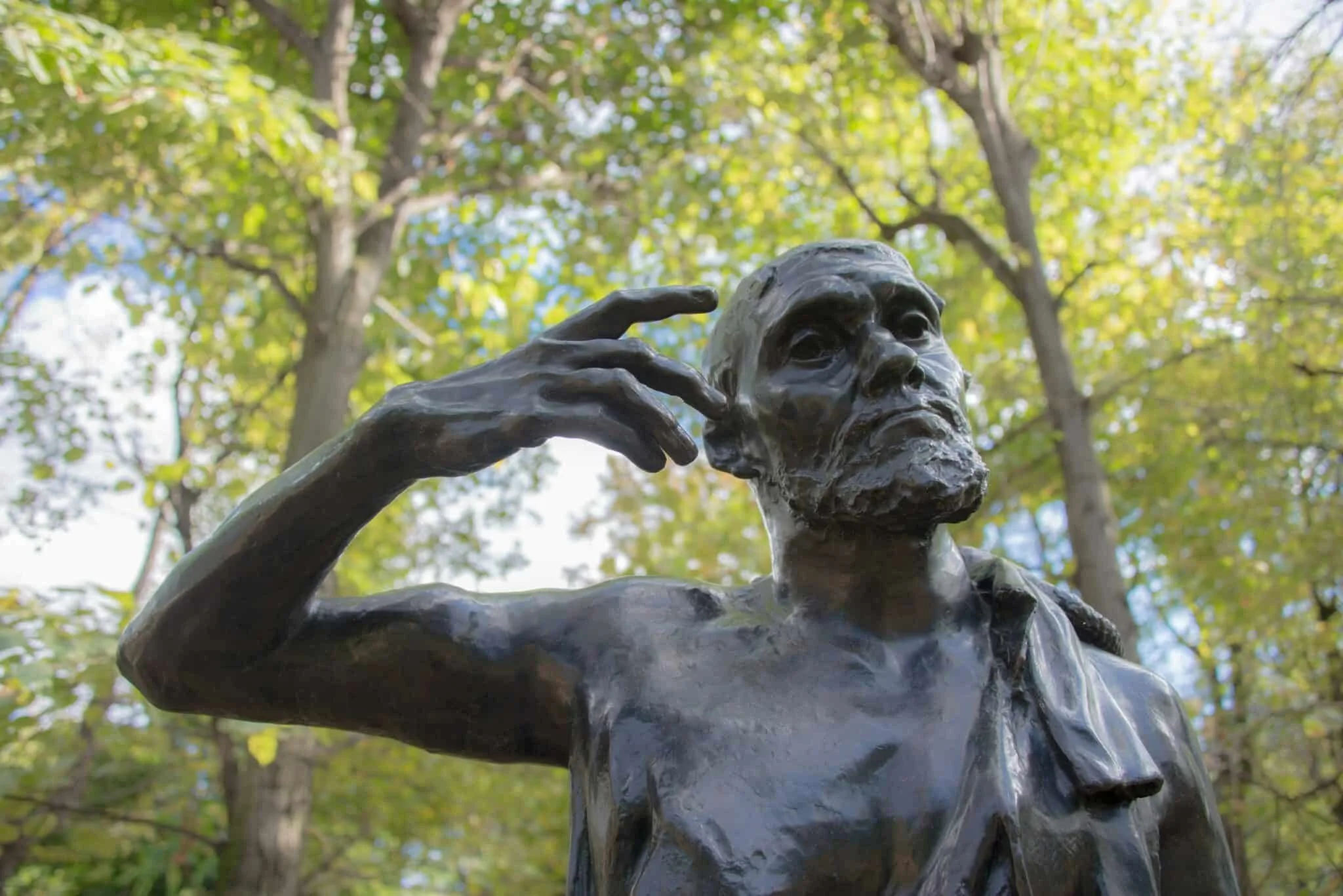
The Imago Dei Fulfills the Longings of Existentialism
January 29, 2026 — Kyle Tucker
In 1946, Jean-Paul Sartre delivered a philosophical blow to Christian anthropology in his essay Existentialism is a Humanism. He wrote: “There is no human nature since there is no God to conceive of it.” We are, according to Sartre, a blank canvas in a world devoid of an ultimate standard of beauty and goodness. We must determine not only who we are but also what we are—no script, no design, and no objectivity. We are nothing more than the sum of our actions.
For some, this seemed liberating. Existence precedes essence, and therefore each of us is unfettered from the restraints of traditional morality. Sartre was at times right to correct the overly rigid and hypocritical Christian traditions of his day. But almost eighty years later, cracks have begun to show in Sartre’s vision. Not because it was overly ambitious, but because it was remarkably naive.
We live in the aftermath of Sartre’s existentialism. We believe ourselves to be free, but we are more lonely and more anxious than ever. We long for a greater sense of dignity but have removed its foundation. We cry out for justice while denying its metaphysical existence. And in the absence of the divine, we have introduced the tyrant of self-actualization.
It is time to recover the transformative doctrine that Sartre rejected. We are made in the imago Dei—the image of God.
This is an excerpt of an article originally published by The Washington Institute. Click below to continue reading.